
Most vehicles don’t announce when something is off. They just start doing small, annoying things that are easy to dismiss, like a steering wheel that’s never quite straight, tires that seem to wear faster than they should, or a truck that drifts just enough on the highway that you find yourself constantly making small corrections without really thinking about it. You notice it, file it away, and keep driving, because nothing feels broken enough to justify stopping what you’re doing to chase it down. That’s usually how alignment issues live their entire lives. Check out the Gyraline G1 Alignment Tool.
Gyraline G1 Alignment Tool
Alignment has always been something I addressed when there was a clear reason to do so. Uneven tire wear, a suspension change, or a vehicle that suddenly felt wrong were enough to trigger a trip to the alignment rack, but until then it was largely out of sight and out of mind. Not because it didn’t matter, but because checking it had never been especially convenient unless you were already planning a shop visit.
That’s why I was curious about GyraLine G1, and also why I was skeptical. Using an iPhone to check alignment sounds useful on paper, but convenience alone doesn’t make a tool worth using. If the Gyraline was going to earn a place alongside the way I already work on vehicles, it needed to provide consistent, repeatable information that actually lined up with what I felt from the driver’s seat.
Gyraline G1 Alignment Tool
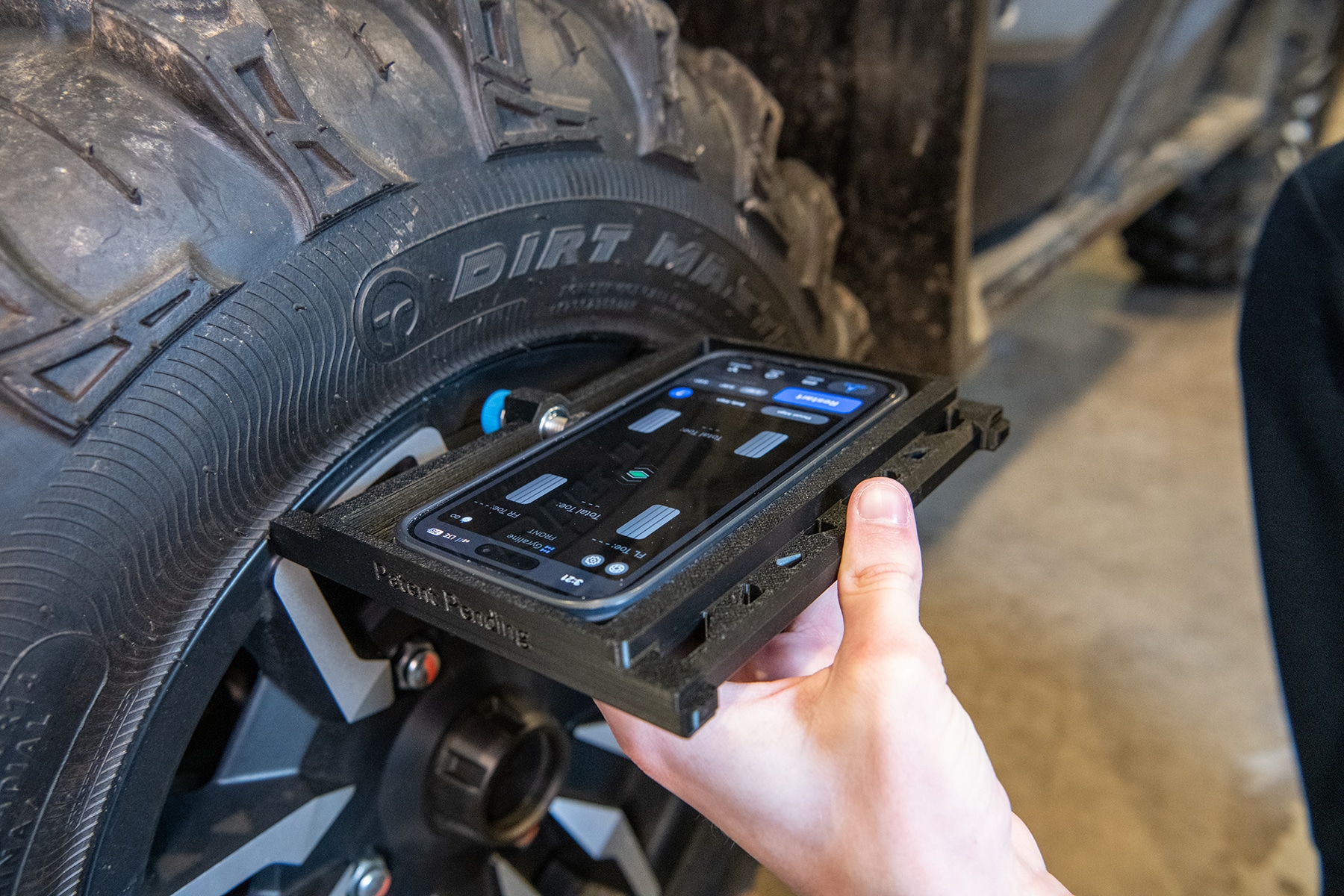
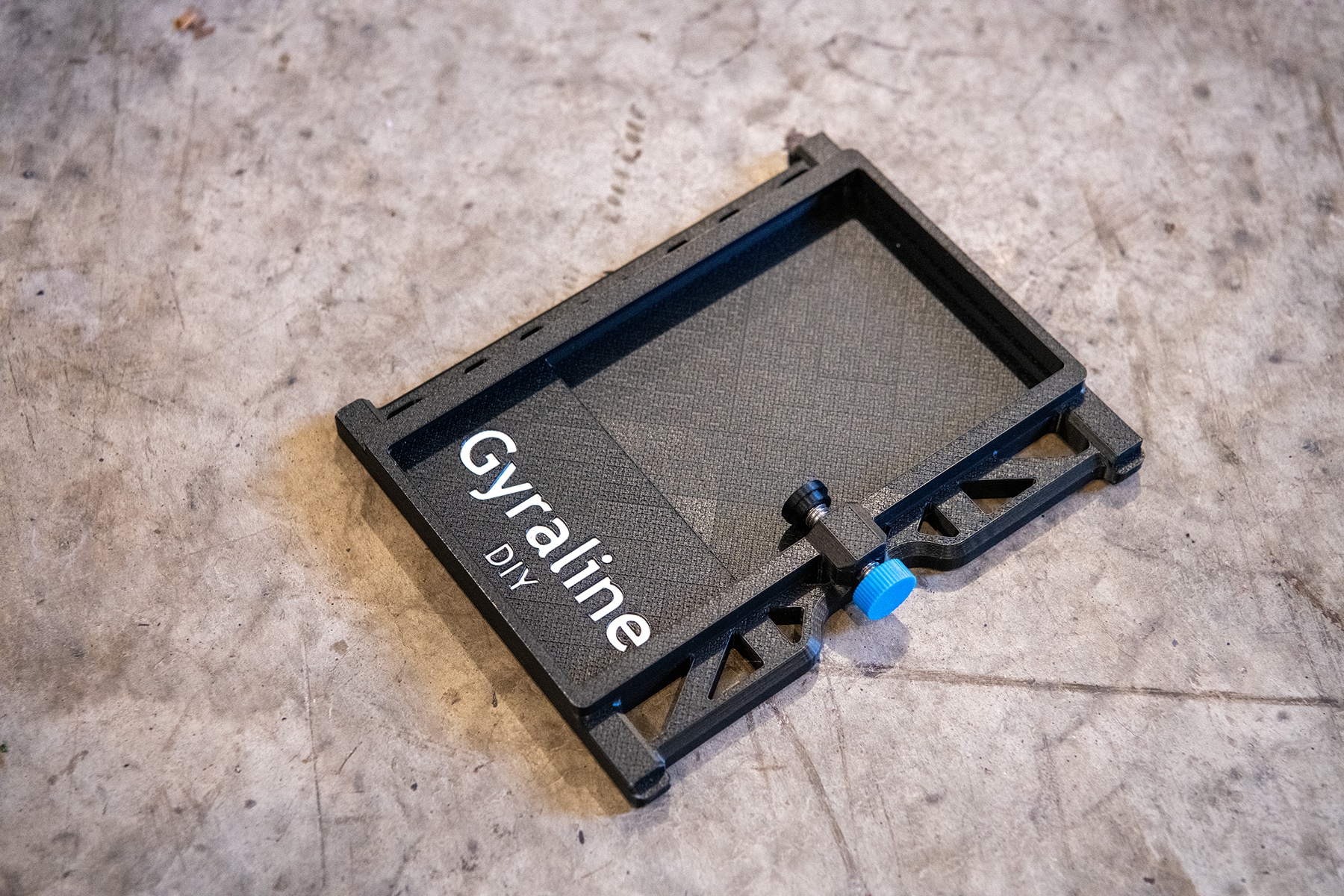
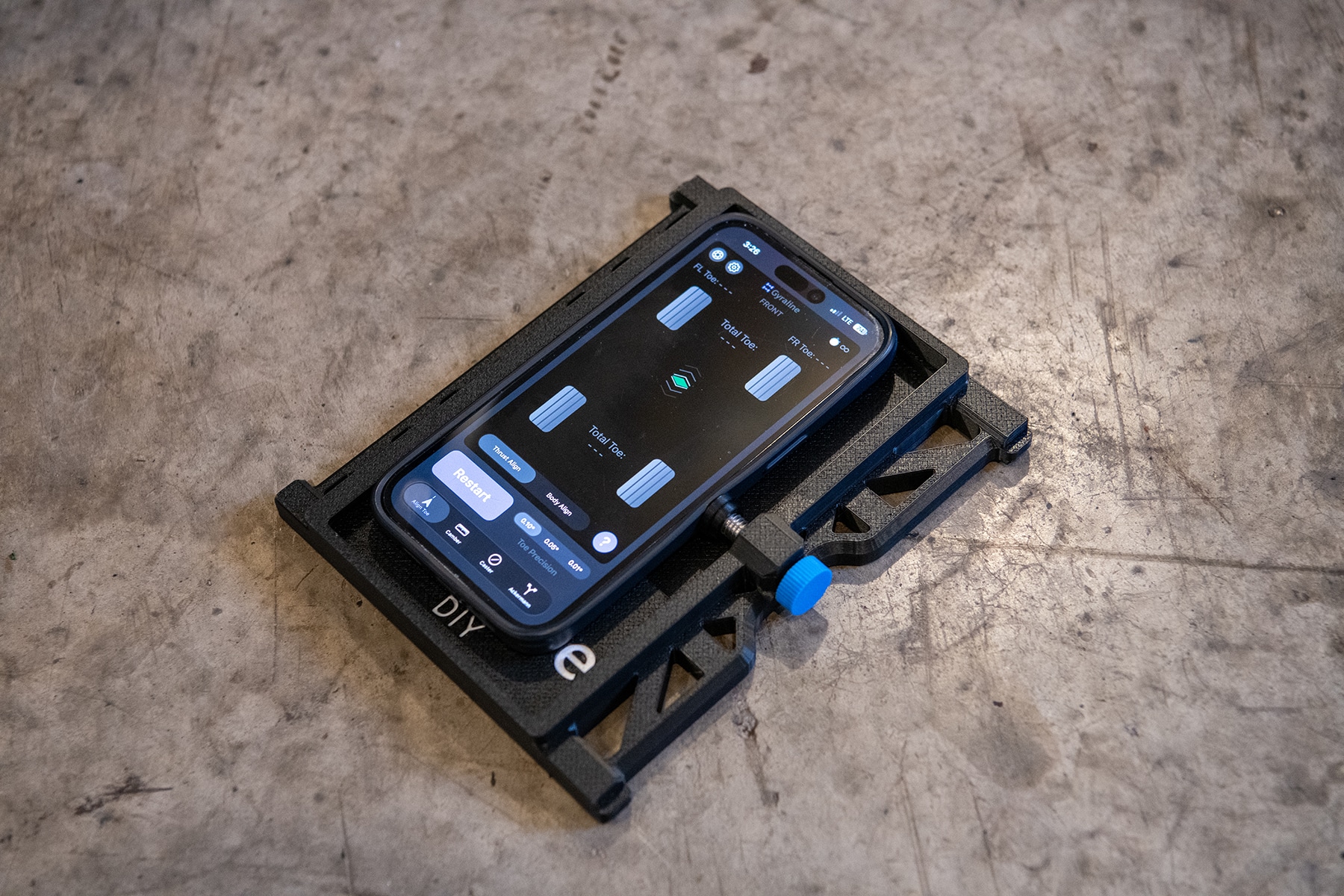
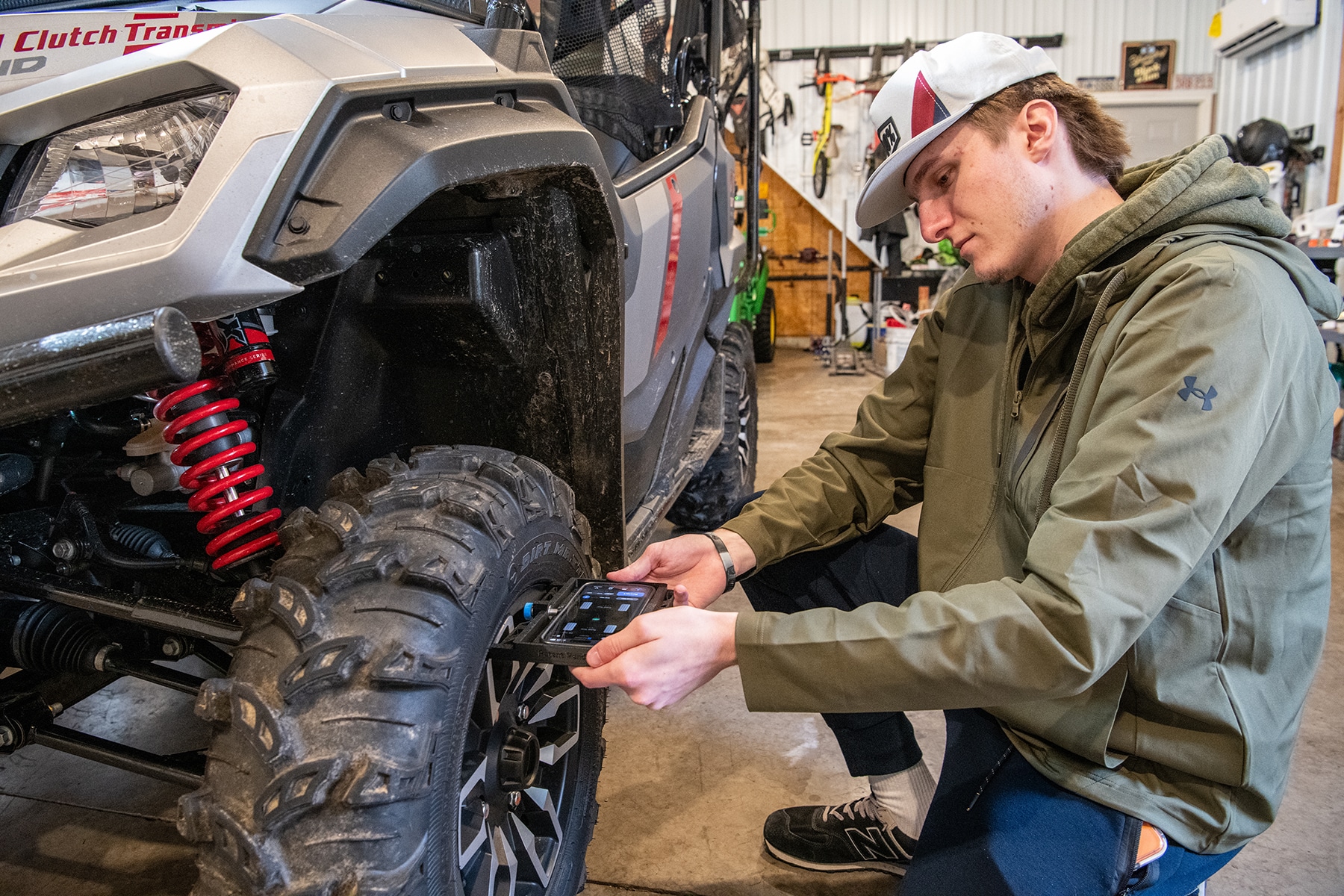
In addition to the software, the Gyraline G1 includes a physical phone mount that appears to be 3D printed, and while it doesn’t look flashy, it immediately makes sense once you start using it. The mount holds the phone square and rigid against the wheel or tire, removing the guesswork that usually comes with trying to take measurements using a handheld device.
Modern iPhones already have incredibly accurate sensors. The challenge has never been the technology inside the phone, but rather how consistently you can place it. If the phone isn’t sitting the same way every time, the data stops being meaningful very quickly. The G1 mount solves that problem in a simple, mechanical way, which ended up being one of the most important aspects of the system.
Gyraline G1 Alignment Tool
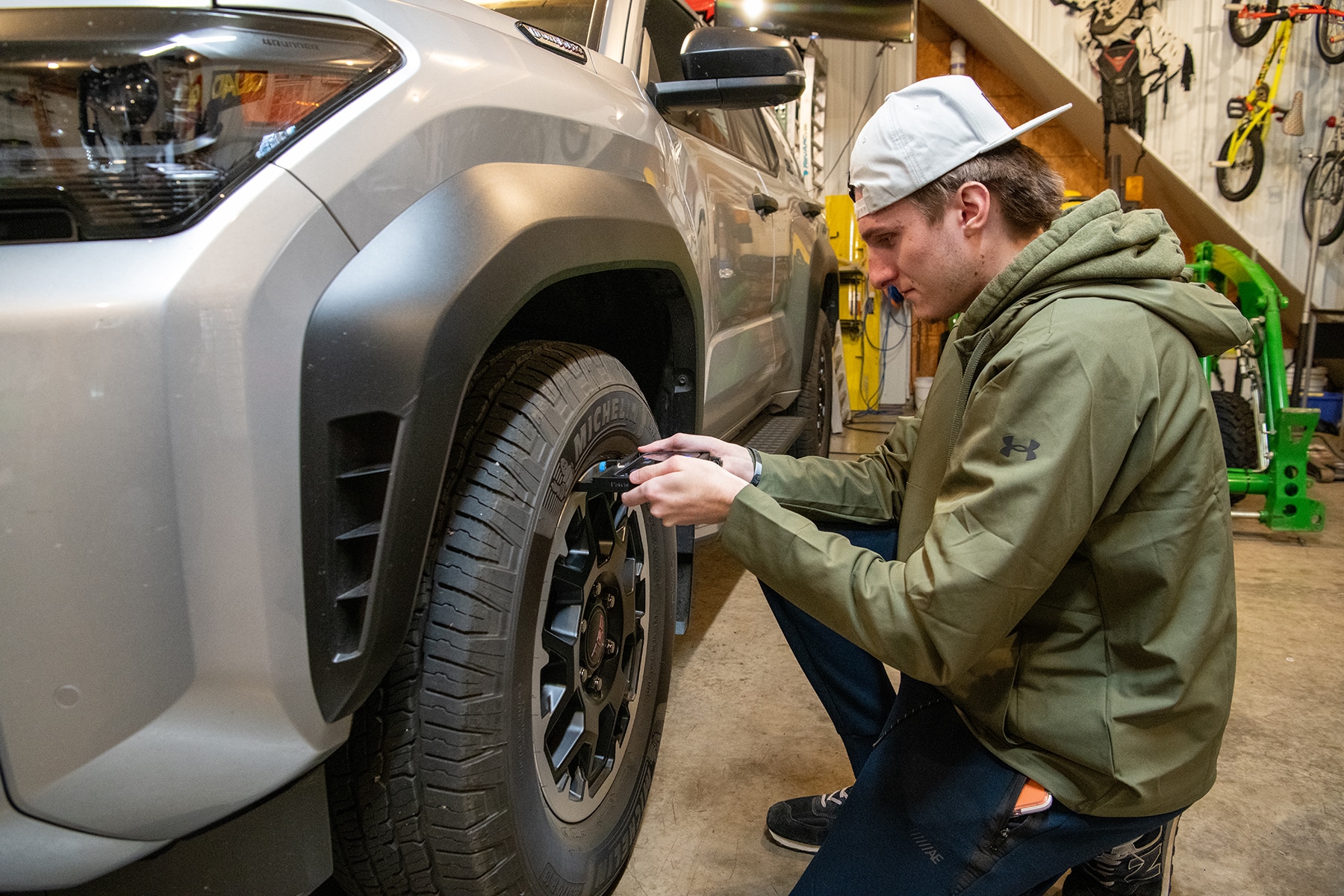
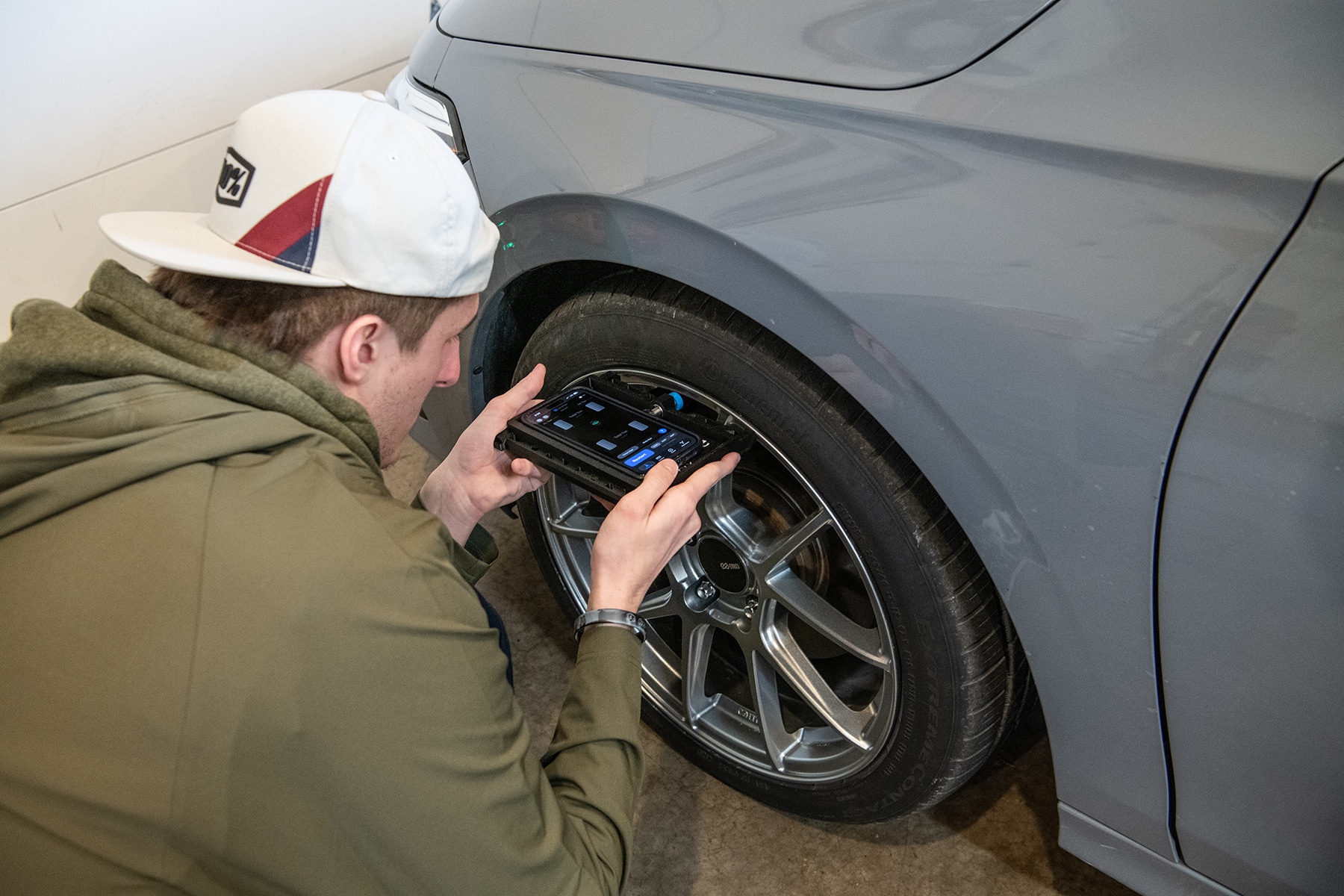
I decided to use it the way I actually work on vehicles, rather than testing it on a single ideal example. That meant checking alignment on our demo ATVs, demo UTVs, my trusty Toyota Tundra, our 5th Gen and 6th Toyota 4Runners, and my son’s super fun Honda Civic Si. Different suspension designs, different levels of abuse, and very different tolerances for what feels acceptable behind the wheel.
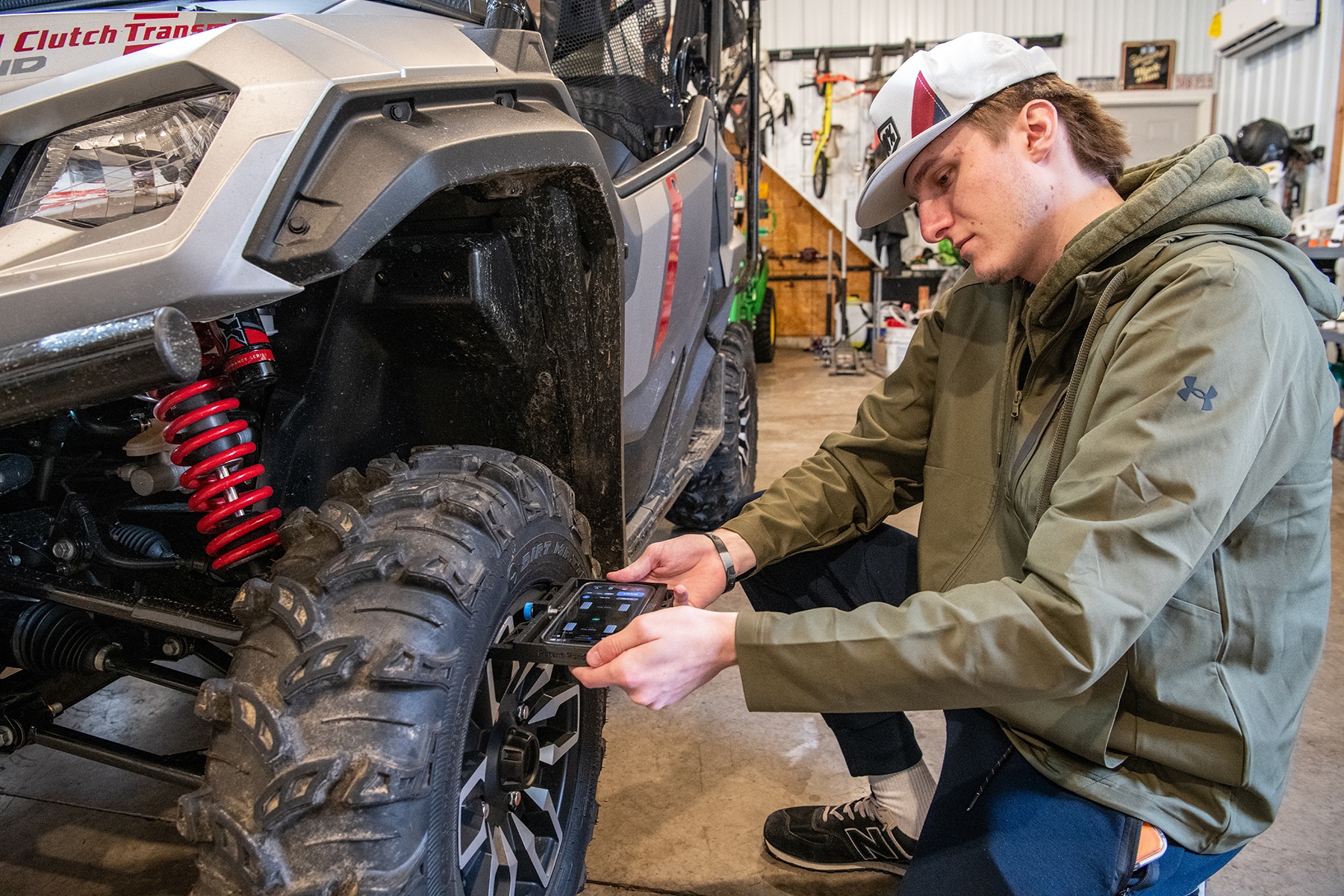
The demo ATVs were first. These machines live a hard life and tend to fall into a gray area when it comes to maintenance. They get ridden by a lot of different people, tied down on trailers, bounced off rocks, and adjusted only when something becomes obvious enough to complain about. Alignment issues can hide pretty easily at ATV speeds, especially when wide handlebars and low expectations mask subtle problems.
Gyraline G1 Alignment Tool
Using GyraLine G1 on them was straightforward, and more importantly, repeatable. After calibrating on a flat surface, I could check the same machine multiple times and get the same results. One ATV that always seemed fine showed some noticeable toe-out on the front end. Not enough to make it dangerous, but enough to explain why it never quite felt settled on hardpack.
The demo UTVs told a similar story, but with more consequences. UTVs are less forgiving when alignment is off, especially at speed, and longer wheelbases tend to magnify small errors. Stock machines generally checked out well, while modified units showed small changes that were easy to overlook from the driver’s seat but obvious once measured. Having the Gyraline G1 mounted consistently made side-to-side comparisons meaningful instead of speculative.
Gyraline G1 Alignment Tool
Before getting into the trucks and cars, it’s worth explaining what GyraLine G1 is actually measuring, because alignment terminology tends to get thrown around without much context.
Toe describes whether the front of the tires are pointed slightly toward each other or slightly away from each other when viewed from above. Too much toe in either direction causes the tires to scrub as they roll, which leads to accelerated wear and a vehicle that feels nervous or unsettled at speed. It’s also the alignment setting most likely to change after hard use or suspension work, which is why it showed up so clearly on the demo machines.
Camber refers to the inward or outward tilt of the tire when viewed from the front of the vehicle. If the top of the tire leans inward, that’s negative camber, while outward lean is positive camber. Camber affects how much of the tire stays in contact with the ground, particularly during cornering, and too much of it can lead to uneven wear and reduced braking even if the vehicle still drives straight.
Gyraline G1 Alignment Tool
Caster is a little harder to visualize, but it plays a major role in steering feel and stability. It describes the angle of the steering axis when viewed from the side, and it’s what helps the steering wheel return to center after a turn. Low caster can make a vehicle feel light or twitchy on the highway, while higher caster generally improves straight-line stability at the cost of increased steering effort.
Ackermann geometry describes how the front wheels turn at different angles in a corner, with the inside wheel turning sharper than the outside wheel so both follow their natural paths. When Ackermann is off, tires scrub during tight turns and low-speed steering feels awkward or forced.
The Tundra and both 4Runners were almost uneventful, which was exactly what I was hoping for, with balanced toe, straight tracking, and no data that suggested anything had quietly moved out of place. The Civic Si fell into that same category, even though it lives a very different life as a sportier, more road-focused car, which made it a good reminder that the basics of alignment still matter regardless of whether a vehicle is built for trails or on-ramps.
Gyraline G1 Alignment Tool
GyraLine G1 isn’t a replacement for a professional alignment rack, and it doesn’t pretend to be. What it provides is visibility between shop visits, allowing you to verify changes, catch small issues early, and understand what’s actually happening instead of guessing. The combination of the app and the physical phone mount is what makes it practical, because the software provides the data while the hardware makes that data consistent.
For me, it changed how alignment fits into regular maintenance, not by turning it into a constant obsession, but by making it easy to check when something feels slightly off or after work has been done. Across ATVs, UTVs, trucks, and a sporty performance car, the takeaway was the same. Small alignment issues are more common than most people realize, and having a simple way to measure them makes it harder to ignore what the vehicle has been telling you all along. For under $200, this is an excellent tool to add to your collection.